Somba Summer School courses 2019 – that I am IN or would like to participate in.

Somba Summer School courses 2019 – that I am IN or would like to participate in.

It’s summer here in the northern hemisphere! And Somba’s are doing it again with their Summer School.


Even if you live in the southern hemisphere where winter has moved in, there is no excuse not to participate in one or more of these exciting, innovative, free beta courses.


This is an implementation sprint in the context of the online business coaching SOMBA. It is about designing, promoting and implementing your own online course in little to no time.  This year I’m participating in the Somba Summer School for the second time (I have been in SOMBA since 2018).

In 2018, my Somba Summer School course was about balancing your menopause dragon. A course for women in peri-menopause or menopause who wanted to regain their energy and vitality with an easy to follow, side effect free, effective, natural way to relieve menopause symptoms. 

This year my topic is : Connect Artfully or heARTfully.


connect artfully

CONNECT ARTFULLY


Express your emotions and discover a healthy outlet for your feelings. Connect Artfully is connecting with your heart using art.
It is an Intuitive, intentional and creative practice. It will allow you to connect with your emotions on a deeper level and transform negative emotions into positive. More on the course and sign up here.

This year there are no fewer than 263 courses (here an overview of all of them). They focus on business, creativity, content, nutrition, partnership, mindset, animal training, dance, crafts, music, health, etc.


Despite this diversity, all courses have a few points in common:

  • They all start on 15 July 2019
  • They last exactly 4 weeks
  • They are free for the participants
  • These are new courses that have never been offered before in this format, and the first time on the market


Below is a list of the courses I’m either participating in, or would love to. Some are english and some german – in no specific order – the choice is endless…

  1. 8 Powerful Mudras by Marna Schauten-Kruijt
  2. Personal Branding for Modern Entrepreneurs by Katherine Suarez
  3. Get more clients using Messenger Bots by Vala Vincent
  4. Efficiency in Zen & Effective Self-Leadership by Barbara Bartczak
  5. Embrace Change by Sharon Roemmel
  6. Free Space Less Clutter by Christina Påhlman
  7. GO GO GO for your goals by Selina Man Karlsson
  8. How to Create Your Personal Style by Monika Mueller
  9. Journal Your Way to Clarity & Courageous Freedom by Lauren Scalf
  10. LEAD YOUR MIND by Merilyn Beretta
  11. Pinterest for Business Launchpad by Mary Lumley
  12. Selling Made Easy by Michelle Seaton
  13. The Art of Taking Action by Susanna Reay
  14. Undress the Feminine Guilt of Saying NO by Elif Tepebasi
  15. NewsBetter by Judith Peters
  16. Bewerbung 7.0 by Isa Hiemann
  17. Bleiben oder Gehen by Olaf Schwantes
  18. Der Content-Effekt by Marlis Schorcht
  19. Endlich mehr Platz! by Claudia Jainz
  20. Festplatten Fengshui by Elisabeth Köller
  21. Gelassen durch die Pubertät by Katharina Lettich
  22. Herzinfarkt! – was tun? by Birgit Nora Schaefer
  23. Lebe fantastisch kreativ by Susanne Höhne


My recommendation for the course selection during the SOMBA Summer School

Pick 2 to max. 5 courses that you would like to join:
5 is really the absolute maximum that I would recommend – otherwise the SOMBA Summer School will be a full time job for you 😀

Mix your topics:
I do not recommend, for example, choosing 3 different blog courses. Best is a mix of different topics and genre’s to get the most out of it.

Plan enough time per course:
Calculate roughly one day of implementation per week per course.

Please remember to give course instructors feedback on their courses.

Somba Summer School is a fair give and take: you can try the beta round of classes for free and in return give feedback on how the course makers can improve their course.
You can filter on the overview page for topics, but my suggestion: go to the page and just search with CTRL or command + F for a keyword that interests you.

And now: Happy selecting! 😀

Releasing emotions through ART – Meditative Painting Workshop

It was time for our mastermind group to meet up again. The highlight of this mastermind weekend was the “Releasing Emotions through Art” workshop that I facilitated in my practice in Oerlikon.

We (the painting workshop participants aka my mastermind group) started off with a guided meditation to the 5 Chinese elements.
Exploring these helped us understand how each of the elements related to our daily experiences, emotions and relationships.

The participants were taken on a journey through a relaxing meditation and visualisation techniques to activate awareness of their thoughts, emotions and any other physical sensations.

After the meditation they were then free to express whatever came up first using a dominant colour for a while to stay in the relaxed, meditative state. This was then followed by whatever colours called them.

Being in this meditative state allowed them to go with the flow. To not be in their heads and just allow what needed to come out. They described it as a peaceful, rewarding and satisfying time.

Some went deeper and deeper not being able to stop, others were done quickly. Some tweaked their paintings more and more not wanting the experience to end.

For some the dominant colour was important and symbolic, for others it was the colours that followed. Some started with white, went through all the whole palette and later came back white to start all over but with a rich underground. Others started with bolder colours and kept tweaking until they felt a sense of satisfaction.

Some just used paint brushes, from the biggest to smallest. Others experimented with sponges, their fingers and even the back of the paint tubes for more depth and structure.

This workshop was a journey designed to help clear out obstacles and bring balance. Their inner dialogue became obvious and they had the opportunity to allow themselves to change it. It empowered some of them to shift emotional trauma, feelings of insecurity and process emotions for insightful value rather than avoid them as uncomfortable. Everyone felt a sense of release and also commented on how painting a wonderful medium is to get things flowing.


We spend most of our time thinking about events in the past or planning for the future. True peace, however, is right here, right now, in this present moment.

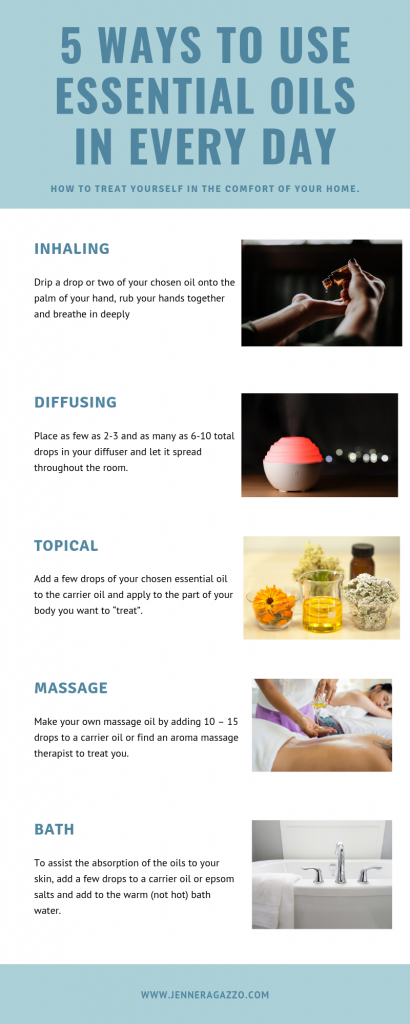
5 ways to use essential oils in every day

5 ways to use essential oils in every day

Following up from my last post I thought I would give you a few insights on how to use essential oils in your everyday. 


When using essential oils it’s important to use therapeutic-grade oils. It is also key to dilute the oils because if administered improperly, side effects like rashes or an allergic reaction can occur.

Inhaling

The oldest and easiest method. Drip a drop or two of your chosen oil onto the palm of your hand, rub your hands together and breathe in deeply – be careful not to cover your eyes.

You could even inhale directly from the bottle, or add a few drops to a handkerchief and inhale whenever you want or need to.

Diffusing

Place as few as 2-3 and as many as 6-10 total drops in your diffuser and let it spread throughout the room.

Essential oil diffusers are a much safer and healthier alternative to scented candles, and are a fraction of the cost of scented candles.

My favourite is an ultrasonic diffuser because it does not use heat in the production of vapor.
These are the ones I use:

Young Living Dew Drop Diffuser
Stadler Form Jasmine Diffuser

You can buy many diffusers on Amazon or from any of the essential oil distributors. A review of the best diffusers.

Topical

Blend your favourite oil with a carrier oil such as fractionated coconut oil, almond oil or jojoba. As mentioned before, essential oils are pretty potent, always dilute them one way or another. Add a few drops of your chosen essential oil to the carrier oil and apply to the part of your body you want to “treat”. You can also make your own 

Best locations to apply are on the nape of your neck, wrists, temple, abdomen, chest and the soles of your feet. e.g. Applying Lavender on the soles of the feet is great for a restful sleep.

Never apply near your eyes or ear canals. If you accidentally get an oil in your eye or another area where it feels as if it is burning, flush with olive oil, NOT water!

More great info on topical use here.

Massage

Aroma massages (or Aromatherapy) are a wonderful way to treat yourself. They can also be used for various reasons e.g. correcting health issues, deep relaxation, pain management or as a complementary treatment with other therapies.

Make your own massage oil by adding 10 – 15 drops to a carrier oil or find an aroma massage therapist to treat you.

Is aromatherapy massage safe during pregnancy? Maybe not…

Bath

To assist the absorption of the oils to your skin, add a few drops to a carrier oil or epsom salts and add to the warm (not hot) bath water.

Foot bath –  Add a few drops of your favourite essential oil to a large bowl of warm water (Lavender is great for this).


5 ways to use essential oils in every day

5 ways to use essential oils in every day


More tips on Essential Oils.


Essential oils NOT to put in your bath

Ingesting essential oils is not recommended unless you are working with a certified health practitioner or under medical supervision. It has become quite a controversial subject.

More on essential oil safety here

Many more ways to enjoy the benefits of essential oils here.

A great article on where to buy and what to consider when buying essential oils.

Best Essential Oils for Autism and ADHD – The Ultimate Guide

Essential oil mistakes

Is Tea Tree Oil safe during pregnancy? A great insight from Mom Loves Best

When misused, essential oils can be poisonous.

If I hope you enjoyed some insights on the uses of essential oils. Have a happy sweet smelling day!

10 Signs of a mild depression and why you should NOT ignore them

10 Signs of a mild depression and why you should NOT ignore them

Symptoms, causes and alternative solutions


Feeling down from time to time is a normal part of life and the human experience.


Reaction to specific events in our lives — like losing a promotion at work, a relationship breakup or even worse, a death in the family. These events can cause us to feel blue, extremely sad and maybe even helpless.

The emotions experienced may not be something to be too worried about initially. HOWEVER, if the symptoms are persistent for longer than a couple of weeks and you have been feeling miserable and down most of the time, have had anxiety or have lost pleasure (or interest) in your usual activities then you could be suffering from a mild depression.

Having depression makes it difficult to function and enjoy life like you once did. Trying to get through each day can be totally overwhelming.

Mild depression can hit you when doing nothing in particular or you are just living your life. Almost suddenly you can’t seem to function anymore. Everything seems to be a struggle and you feel like you’re in a black hole that just gets deeper and deeper and you can’t get out of it.

Below are only a few sign and symptoms:

  • feeling hopeless – you ask yourself questions like “where the hell am I going, what is important?”
  • having difficulty focusing, remembering things or making decisions
  • feeling unmotivated – things that took you once 30 minutes now take forever
  • changes in appetite or weight – most often decreased, but sometimes increased
  • lack of energy, feeling unusually tired – do you have the feeling you could sleep 14 hours a day?
  • disturbed sleep – e.g. having difficulty falling asleep at night, not sleeping through the night or waking up early in the morning
  • wanting to be left alone – and not
  • avoiding contact with friends and family or taking part in fewer social activities
  • irritability – everything and everyone just gets on your nerves
  • negative thoughts
  • self-loathing
  • having unexplained, minor aches and pains
  • suicidal thoughts

Causes of depression are varied and include:

  • Stress or stressful life events
  • Lack of sunlight
  • Hormonal imbalances
  • Nutritional deficiencies
  • Neurotransmitter imbalances
  • Side effects of medication
  • Genetics

To mention just a few.

Four solutions or treatments:

Lifestyle changes

Often simple lifestyle changes can help treat mild depression.

Enough sleep, light exercise and a healthy diet and supplements can help a lot. These are probably the most important changes to be made! Simple, not necessarily easy. It requires information, dedication, perseverance, inspiration and motivation.

Alternative methods of treatment can significantly help improve symptoms.

Don’t try to treat depression on your own and do not replace conventional care for these alternatives.

Herbs and Supplements a short overview

St. John’s Wort is probably the best known herb used to treat both anxiety and depression. It works as a natural remedy for that can be compared to the efficacy of selective serotonin reuptake inhibitors (SSRIs). SSRI’s are a common type of antidepressant that’s prescribed today. Research shows that St. John’s wort has fewer side effects than standard antidepressants. Dr Axe has an in depth article on the herb here.

Vitamin D acts like a hormone in the body and affects brain function.  Deficiency is linked to an increased risk for mood disorders, including depression and seasonal affective disorder (SAD) or winter depression. Research has not yet shown clearly whether low vitamin D levels cause depression, or whether low vitamin D levels develop because someone is depressed. It might be a good idea to get levels checked before embarking on taking high doses of vitamin D3. It is also recommended here and here to take vitamin K2 in conjunction with D3.

B vitamins are involved in neurotransmitter function and research shows that low levels of both folate and vitamin B12 levels, in particular, are linked to depressive symptoms. Vitamin B12 supports the nervous system and boosts energy levels. Folate supports nutrient absorption and helps to reduce irritability and fights fatigue. Taking a B-complex vitamin will help to produce serotonin naturally and relieve depressant symptoms.

Ashwagandha is one of the most important herbs in the Indian Ayurveda. It is also an adaptogenic herb which means it is a substance that helps the body adapt to stressors. It is an excellent choice if you have depression with anxiety, insomnia and stress.  Another great thing about ashwagandha is its ability to reduce cortisol levels.

Rhodiola rosea (Arctic Root) is a top-rated adaptogen, a natural substance that increases your resilience to physical and emotional stress. It works by increasing the activity of brain chemicals that impact mood like serotonin, norepinephrine, and dopamine.These neurotransmitters help to increase focus and memory, and improve mood. It has been shown to reduce depression symptoms faster than antidepressant medications. It’s particularly useful for depression accompanied by anxiety and fatigue, depression caused by seasonal affective disorder (SAD), or when you need results quickly.

There are many more adaptogens that can support during depression – more information here.

But the best part about these natural remedies for depression is that there are no adverse side effects, as opposed to most antidepressant medications.

It’s best to do some research before starting any dietary supplement. Because some herbal and dietary supplements can interfere with prescription medications or cause dangerous interactions, talk to your doctor about potential risks or possible complications with pre-existing conditions.

Also remember, natural remedies are similar to prescription medications in that not everything works the same way for everyone. It can be a lot of trial and error.

supplements depression

Supplements for depression

Essential oils

Although essential oils aren’t a cure for depression, they’re a drug-free option that may help relieve some symptoms and help manage the condition. Essential oils, in most cases, are safe and free of side effects.
When purchasing essential oils make sure you purchase a 100 percent pure essential oil and not a synthetic “fragrance.”

Lavender is known as one of the most versatile and popular essential oils. Its floral yet earthy scent is often valued for its calming effects. It is an excellent treatment for anxiety and does not make you tired. Lavender is a calming oil which can help to treat headaches, insomnia, aches and pains.

Wild Orange helps to reduce anxiety, lowers the heart rate, improves mood, calms the mind and body and last but not least helps increase serotonin (a neurotransmitter that is often low in people suffering from depression.) It is an uplifting and stimulating essential oil.

Bergamot can help to relieve anxiety, depression, stress and other mood disorders. Benefits include communicating signals to the olfactory system (sense of smell), stimulating the brain to exert neurotransmitters (e.g. serotonin and dopamine) to regulate mood.

Ylang Ylang has a sweet and spicy aroma which has both calming and uplifting effects. It can also help release anger, improve self-esteem and bring positivity. Inhaling ylang ylang straight from the bottle can help in a moment when you’re feeling tired or low.

Sandalwood essential oil has a woody, warm, calming aroma. It is great to diffuse as it helps increase mental clarity and focus. Most often it is found in incense. Sandalwood scent has a powerful therapeutic effect on the brain’s limbic system (where emotional behaviour is controlled) which is why it is an excellent emotional balancer. It has soothing properties which allows it to increase sleep quality and reduce depression.

More interesting herbal remedies here

Essentialoils-collage

Essential Oils


Alternative therapies

Hypnotherapy is a technique that is used to reprogram the subconscious mind. In hypnosis the mind and body are in a heightened state of awareness where we are relaxed, perceptive and focused. It is a completely natural state and we usually experience it several times a day without really realizing it e.g. zoning out on our daily commute, being immersed in the book or movie we are reading or watching. In hypnosis we are susceptible to suggestions for self-improvement or behavior modification.

Meditation The difference between meditation and hypnosis is that hypnosis has a goal. Meditation is great for noticing thoughts and feelings while understanding that we don’t have to act on them. Meditation is as easy as closing your eyes, breathing intentionally (or counting breathes) and repeating a single phrase or word. The thing about meditation is not to stop negative thoughts, but to pause and notice them, then return focus to your breathing.

Integrative Kinesiology combines methods from Chinese acupuncture theory with Western medicine, pedagogy and psychology. It is a client-centered approach that uses a muscle test to find stressors and blockages to then compensate for these energy imbalances. It combines strengthening techniques from western and eastern healing arts to activate self-healing and to support personal development. By balancing the body in the energy system, we learn to access our physical, emotional, intellectual and energetic sources and to utilise all our potential.
Compensation techniques such as adjustment exercises, colors, essences, sounds or acupressure are used to achieve and maintain the balance between the body, the soul and the mind.

Acupuncture is a technique that aims to restore the balance in the body using acupoints located on each individual’s body. Traditional Chinese medicine (TCM) treats depression as a disorder that stems from imbalances of energy. In TCM, “qi” is the flow of energy through the body. Qi flows through the body on energy channels known as meridians. It is believed to stimulate the nervous systems resulting in biochemical changes influencing the bodies internal stability promoting emotional and physical wellbeing, helping remove blockages and restore energy flow. A licensed acupuncture practitioner works with very fine, sterilized needles and gently places them atop specific points on the skin to stimulate particular points within the body.

Homeopathy is a system of medicine that treats the whole person, taking into account mental and bodily types as well as the symptoms of the disease. One of its main principles is that ‘like cures like’, in other words the symptoms of an illness caused by a substance will be cured by the same substance given in homoeopathic form. The medicines are not prescribed based on a person’s diagnosed disease but on the unique way a person experiences his or her disease. In other words, homeopathic medicines are prescribed based on the SYNDROME of various physical and psychological symptoms, not just a single symptom or disease label.

Final Thoughts

These tips are not all encompassing. There are many many other treatments and solutions e.g. Psychotherapy, Cognitive Behavioural Therapy, Group therapies to mention just a few.

While medical treatment may often not be needed, mild depression won’t necessarily go away on its own. In fact, if left alone, mild depression can progress to more severe forms e.g.  moderate or severe depression.

Something else to consider is, that all these natural solutions could very well be combined with conventional treatment.

Get professional help if needed.

Disclaimer: All information provided on this website does not replace a doctor’s visit! Under no circumstances should the information be regarded as an invitation to self-diagnosis. All texts are created for informal purposes only.

In case of emergency or specific suicidal thoughts, please contact your nearest psychiatric clinic or the emergency number at 112.

Quote of the day sprint – Gratitude to Laughter

Quote of the day sprint – Gratitude to Laughter

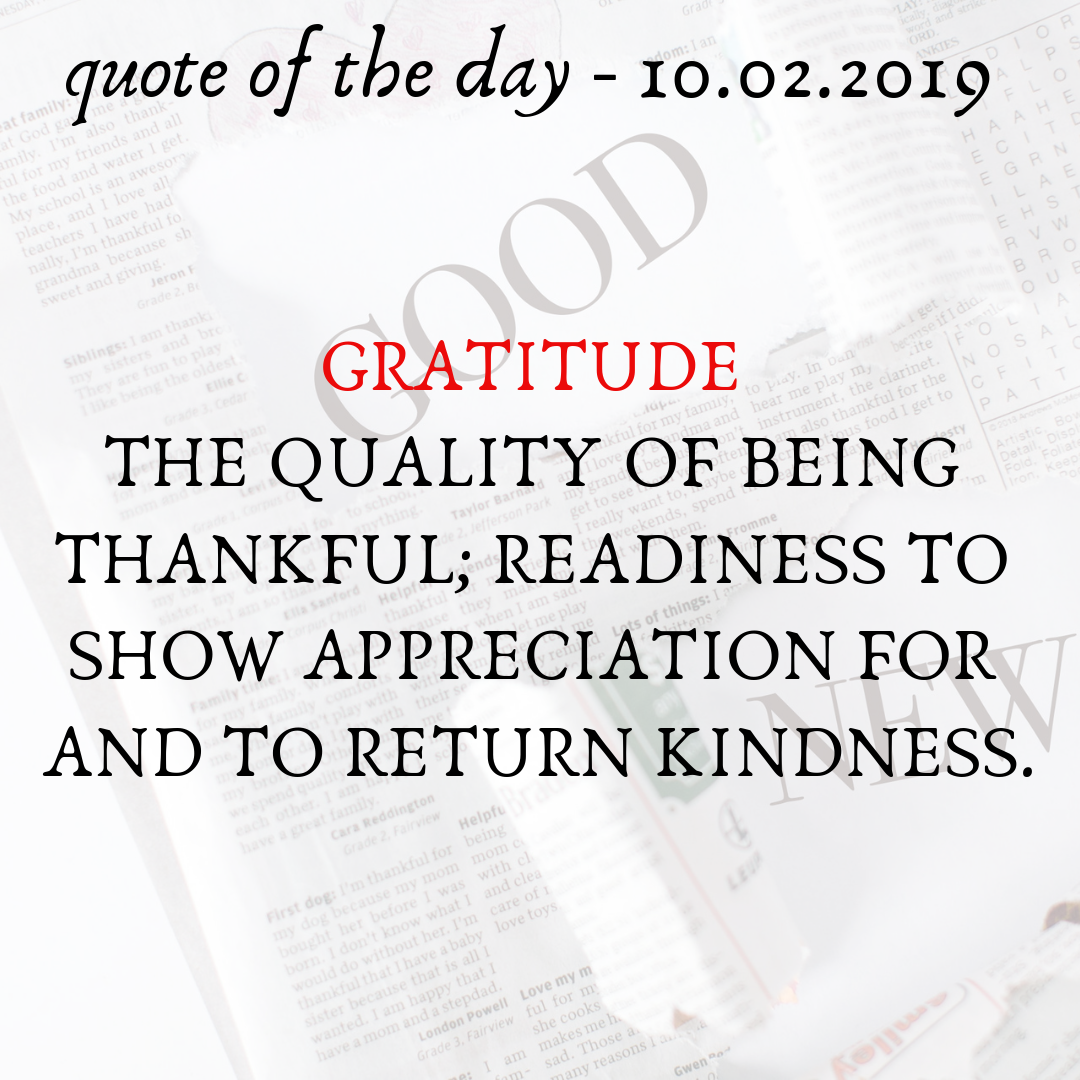
Gratitude

has to come from within. It is an emotion similar to appreciation that most people are familiar with. Studies have shown that people who express gratitude may be healthier, happier, have increased energy, empathy and generally be more optimistic in life.

Cultivating gratitude can take time and is a skill. At night, before going to sleep, think of all the positive things that happened during the day. It’s a good idea to keep a journal to be able to reflect on later.

Link to a white paper on the study of gratitude. https://bit.ly/2TN1ZZ

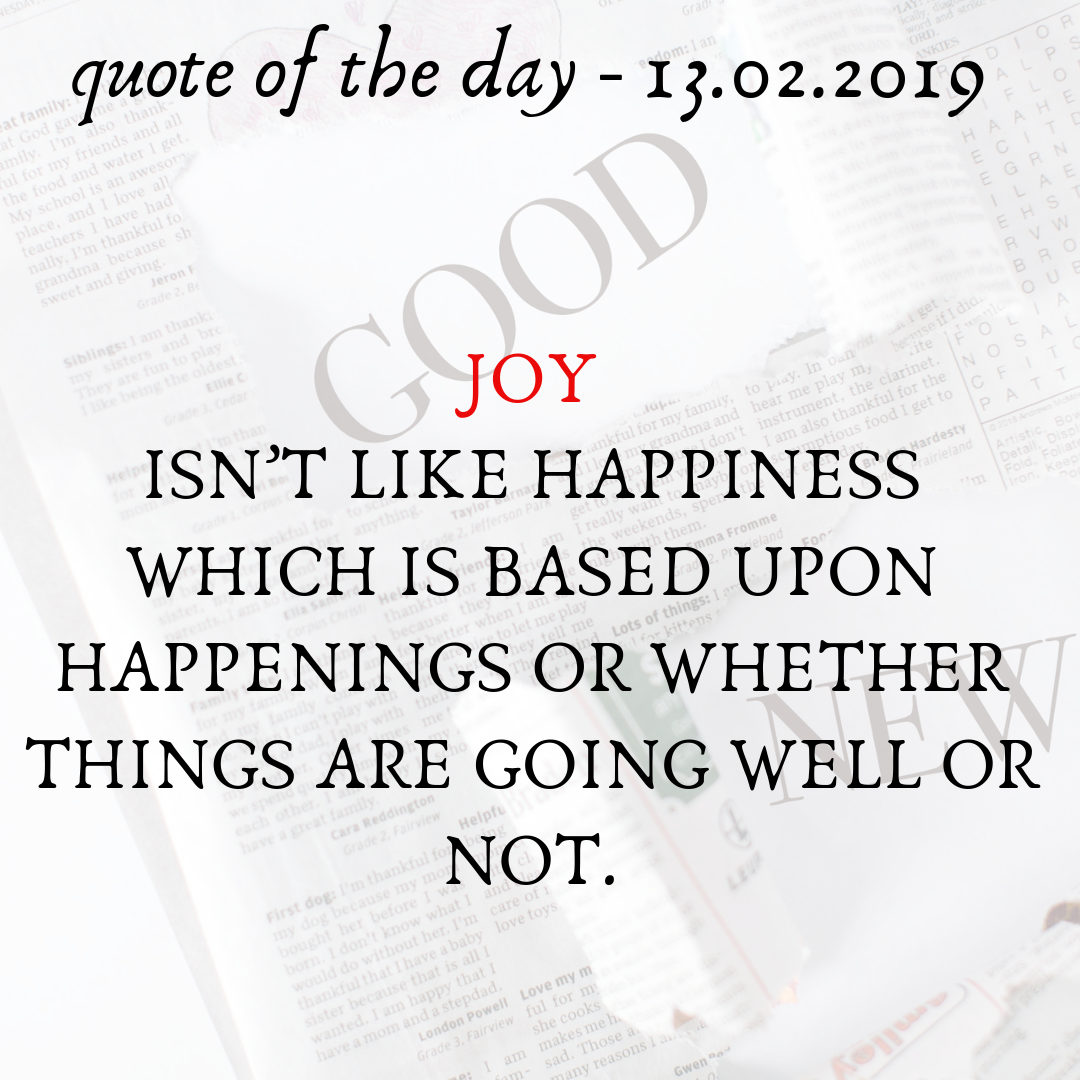
Joy

No, joy remains even amidst the suffering. Joy is not happiness. Joy is an emotion that’s acquired by the anticipation, Acquisition or even the expectation of something great or wonderful.

It could be described as exhilaration, delight, sheer gladness, and can result from a great success or a very beautiful or wonderful experience like a wedding or graduation but the definition of joy that the world holds is not nearly as amazing as biblical joy but joy is also gift.
https://bit.ly/2MWZuAV

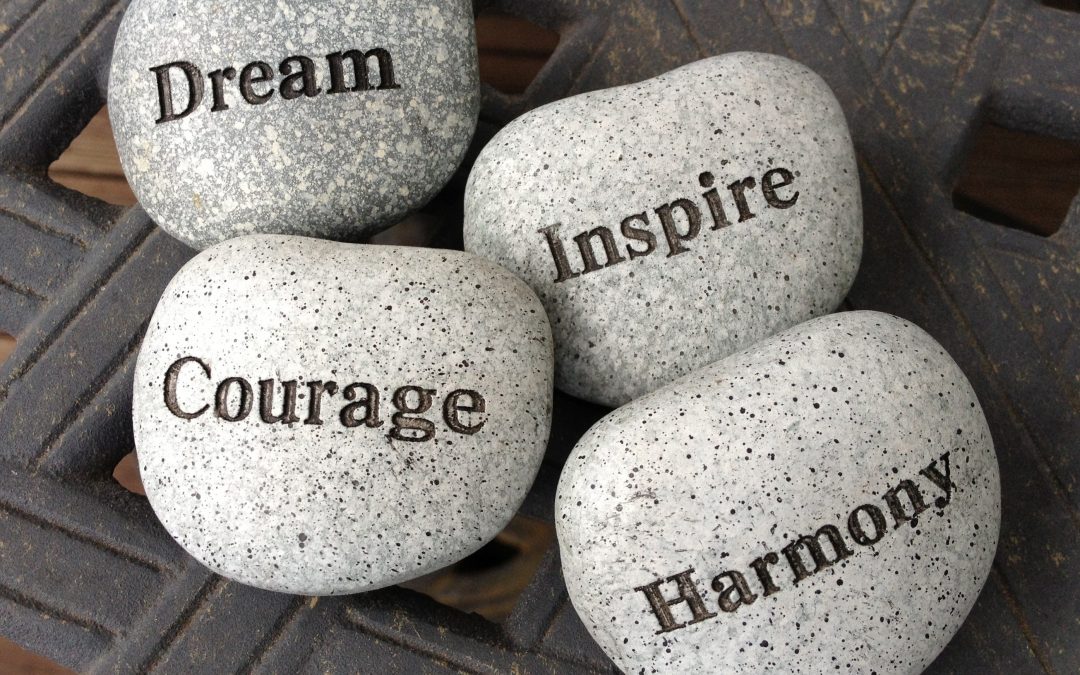
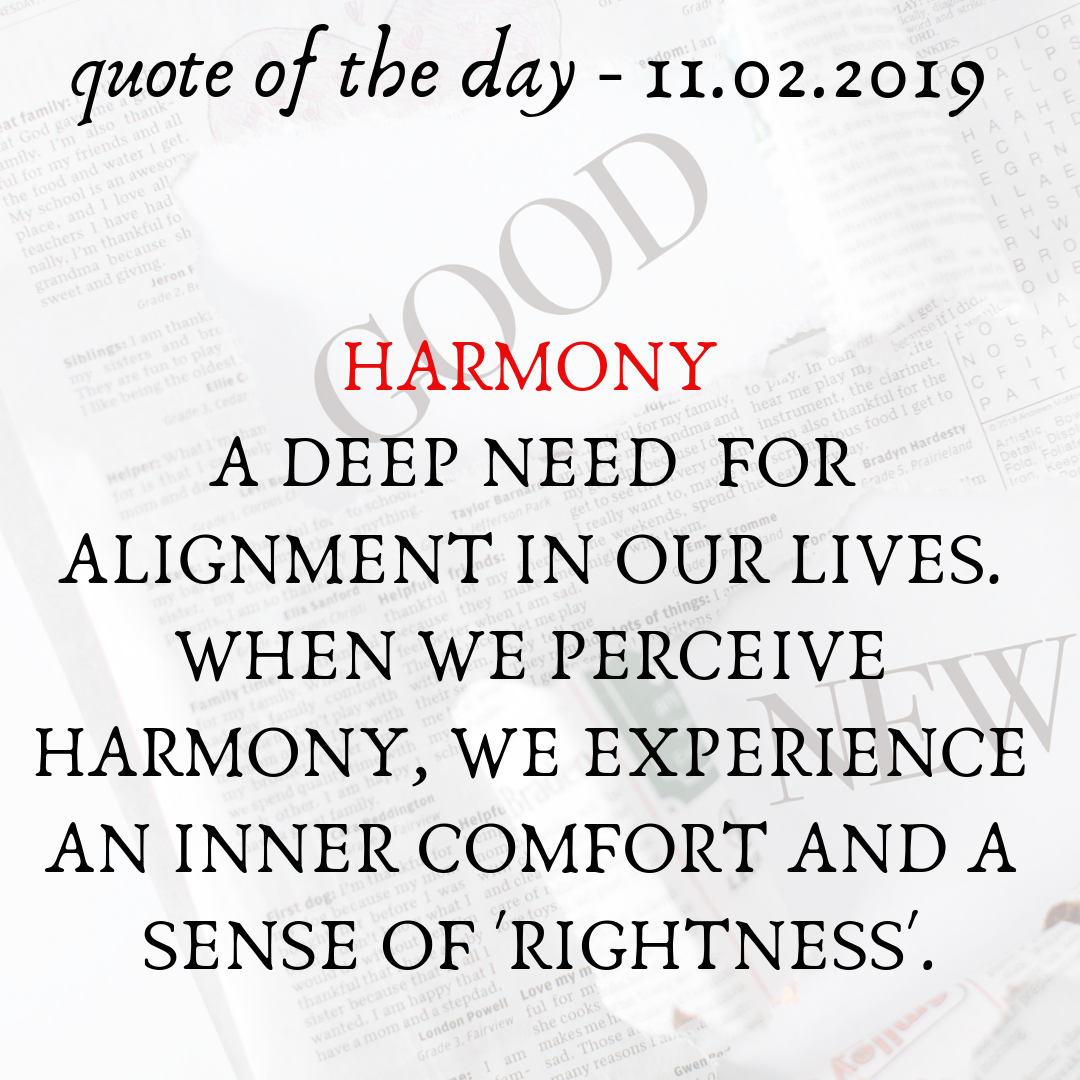
Harmony

“is when you feel happy. Harmony is when people are all getting along together. Harmony is when people are nice to one another. It is the flow of life.”
https://bit.ly/2Ds4dq4


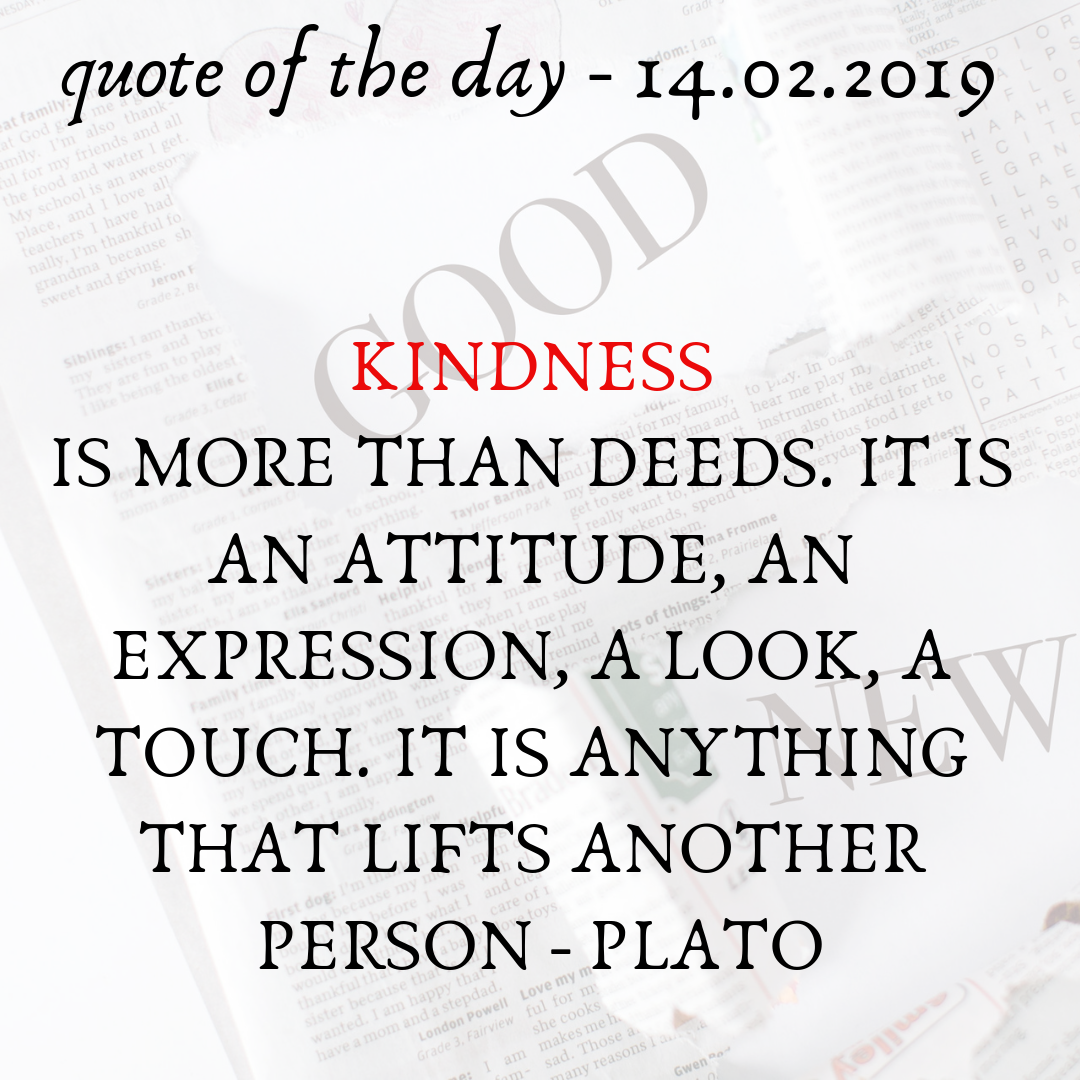
Kindness

starts with oneself. It is a reflection of what lives in our heart. It means treating ourselves as we would anyone we care about. Being kind often requires strength and courage.

Kindness has many benefits including improved relationships and connections, increased happiness and slows the aging process.

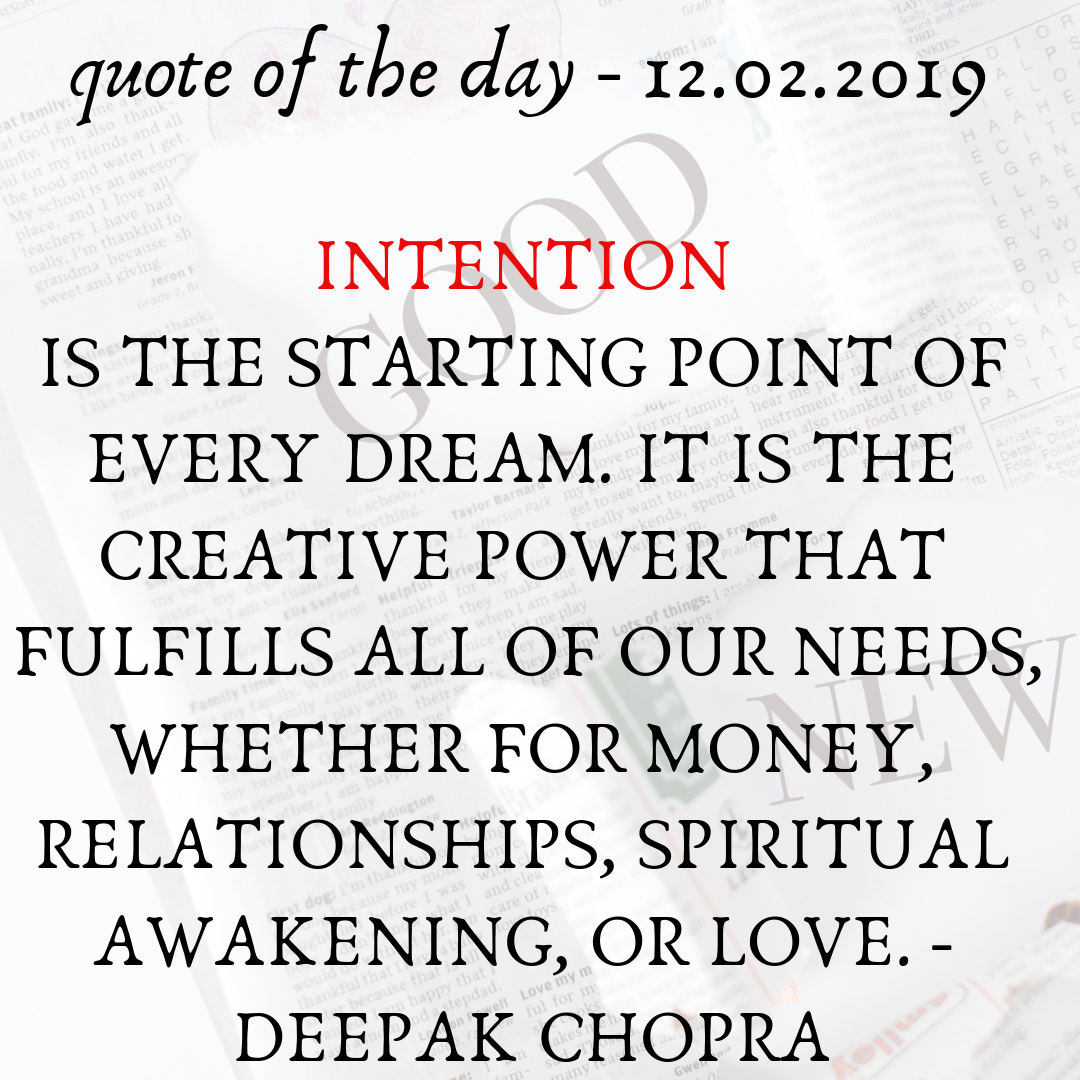
Intention

Living intentionally means living the kind of life that makes us feel like we matter.
It fulfills and enriches us every day.

Defining our purpose, deciding on how we want to live and remaining focused will help create space for growth and peace in our everyday lives.


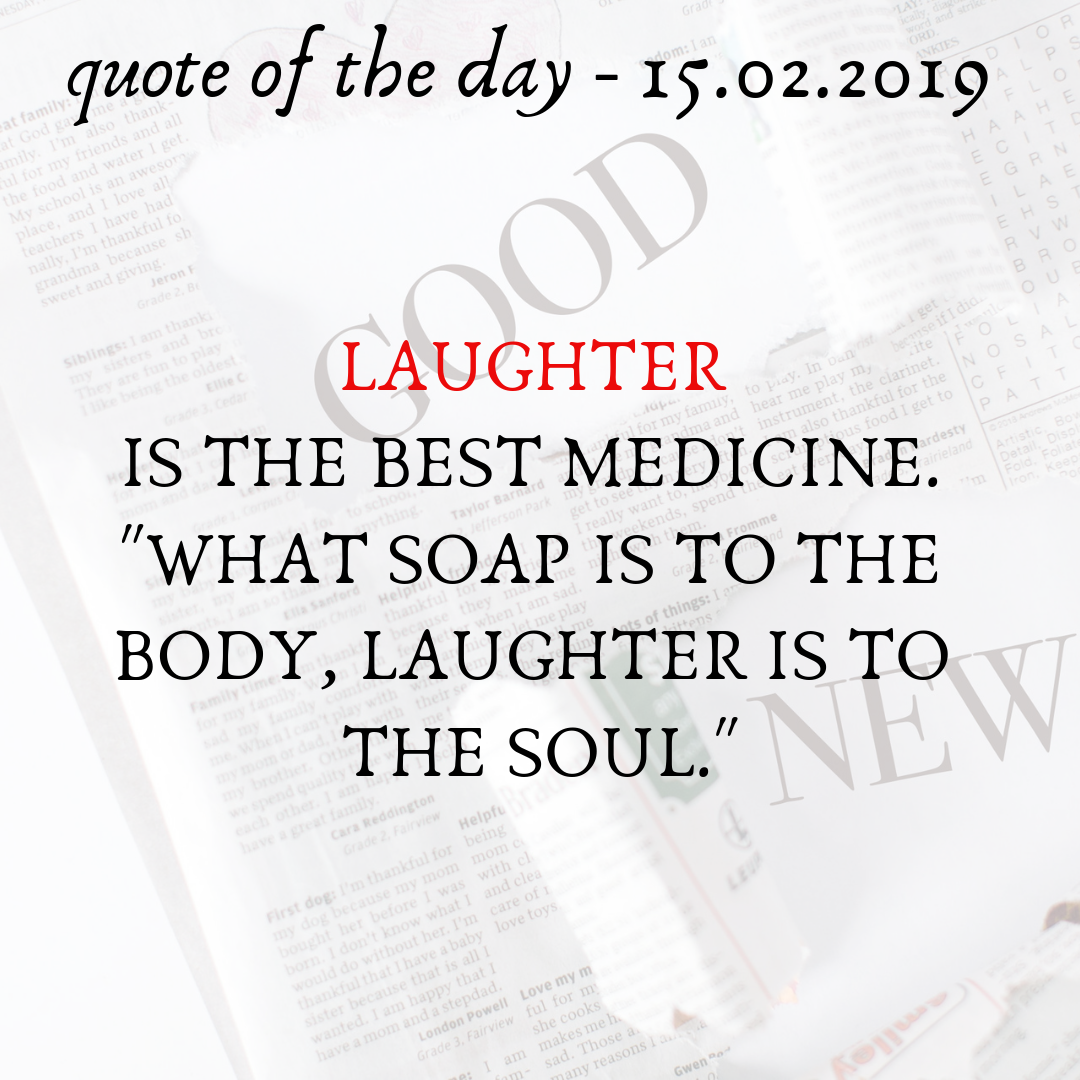
Laughter

“just might be the most contagious of all emotional experiences. What’s more, it is a full-on collaboration between mind and body.” Psychology Today.

There are many benefits to having a good old laugh! It reduces stress, helps lower blood pressure, aids in circulation, can help to release tension and relax muscles. In general its great way to bond and enriches social experiences.

When was the last time you had a good, spontaneous deep-bellied laugh?